Analysis
The scale of the surge is unprecedented in recent European history. Analysts describe the operation as deliberately organized: smugglers coordinated movements along the coast and overwhelmed the fence at multiple points simultaneously, making it impossible for border guards to respond in time.
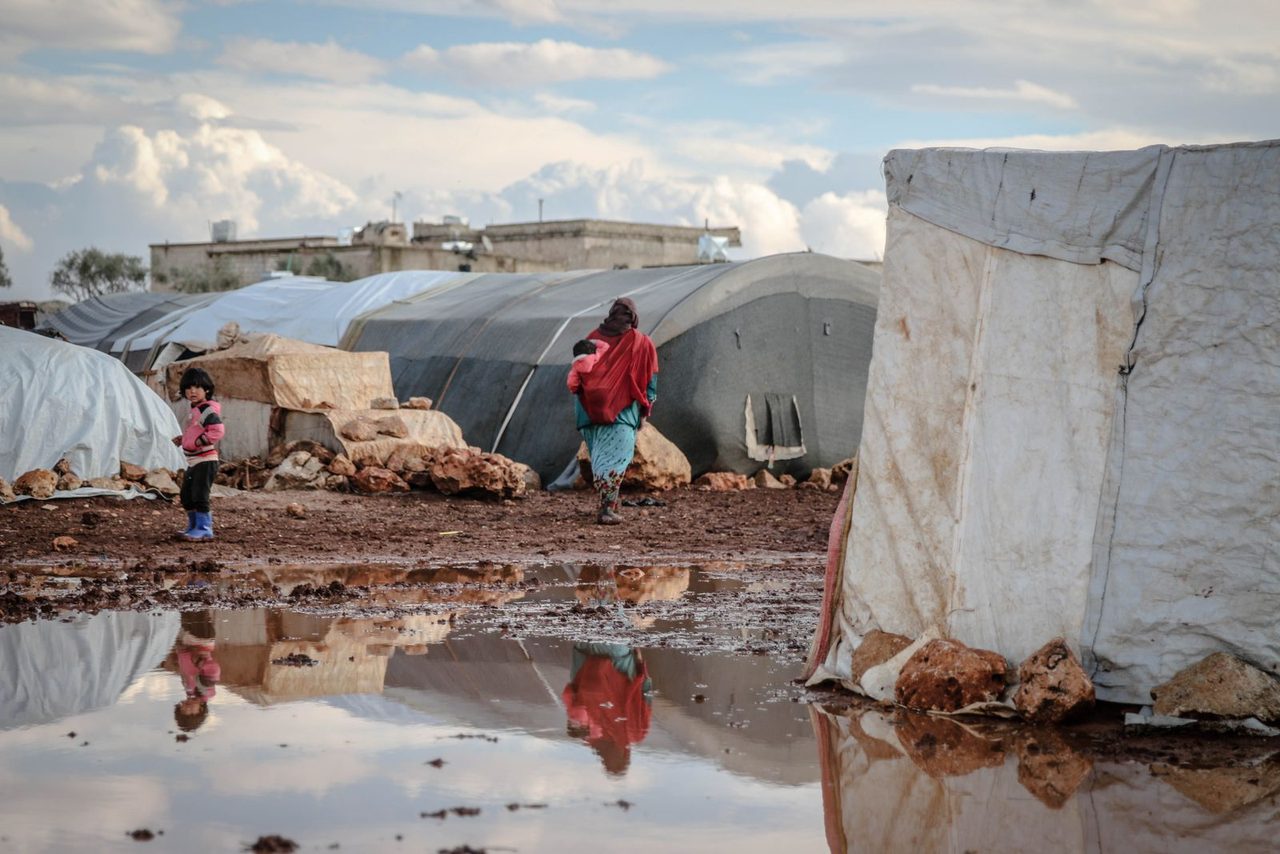
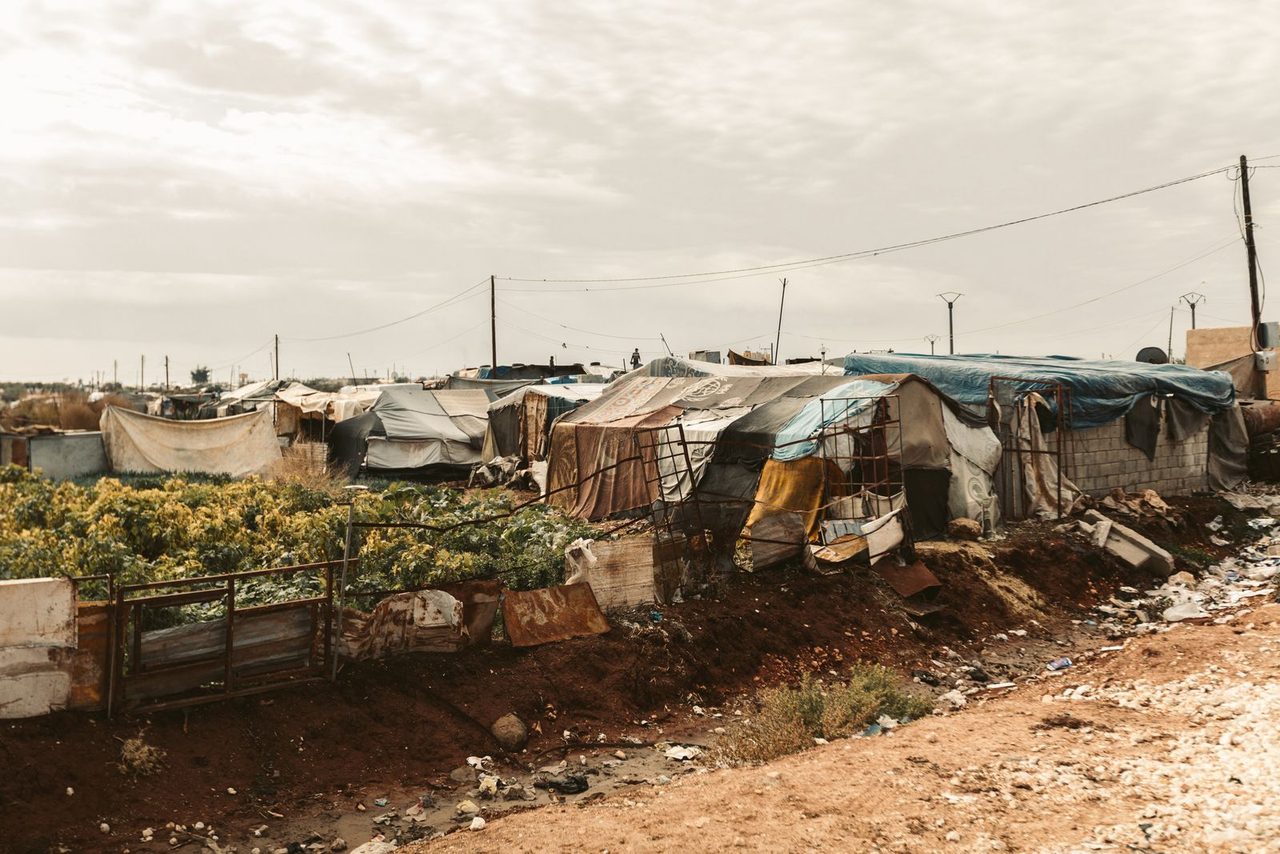
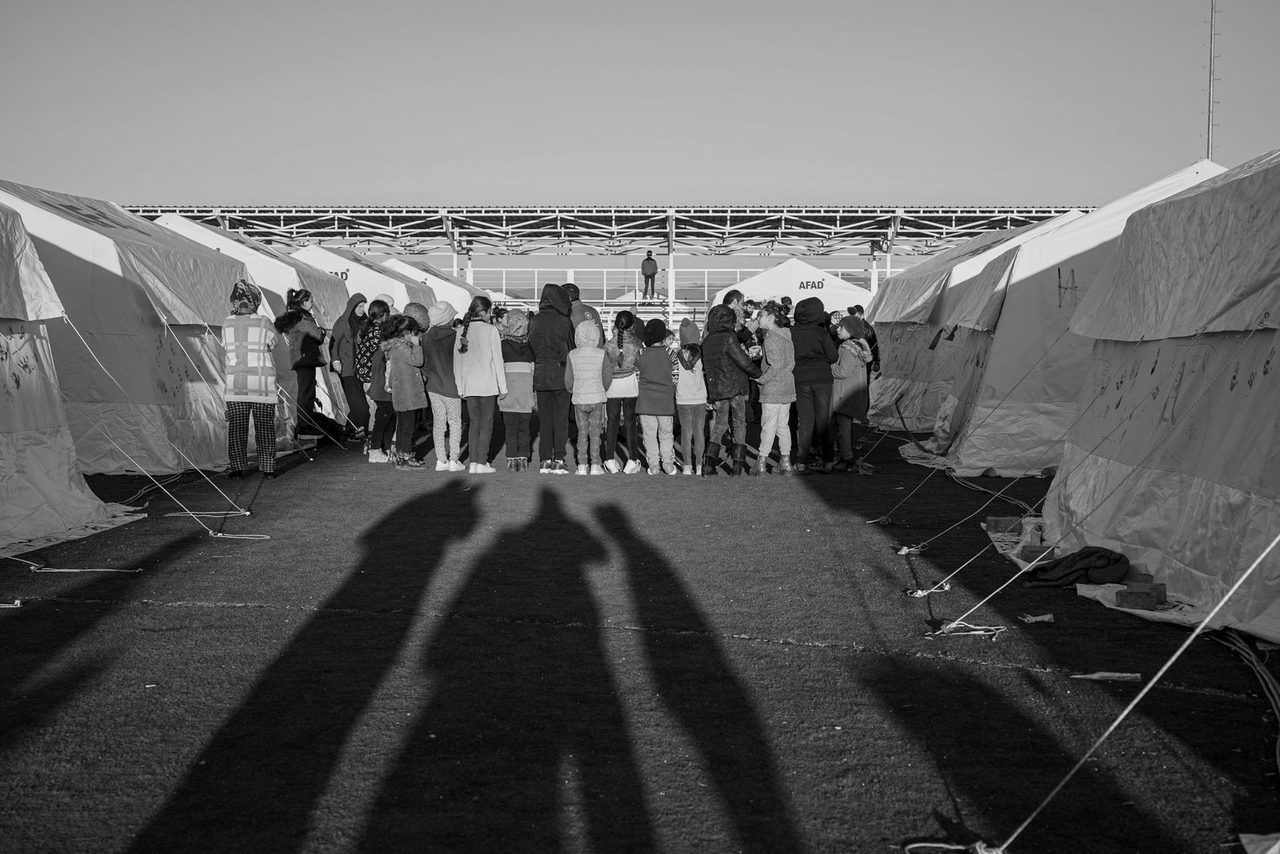
For the migrants, the crossing is a desperate gamble. Many left conflict and poverty in sub-Saharan Africa and the Middle East; reaching Ceuta means setting foot on European soil. The humanitarian cost is measured in lives lost at sea and along the fence, as well as in the strain on local services that were never designed for such numbers.
Politically, the crisis is a stress test for the European Union. Madrid blames Rabat for lax border control while Morocco points to deeper causes. Hard-line governments across the bloc are calling for tougher external border policies, while humanitarian groups urge a coordinated European response — a debate that is far from settled.