Analysis
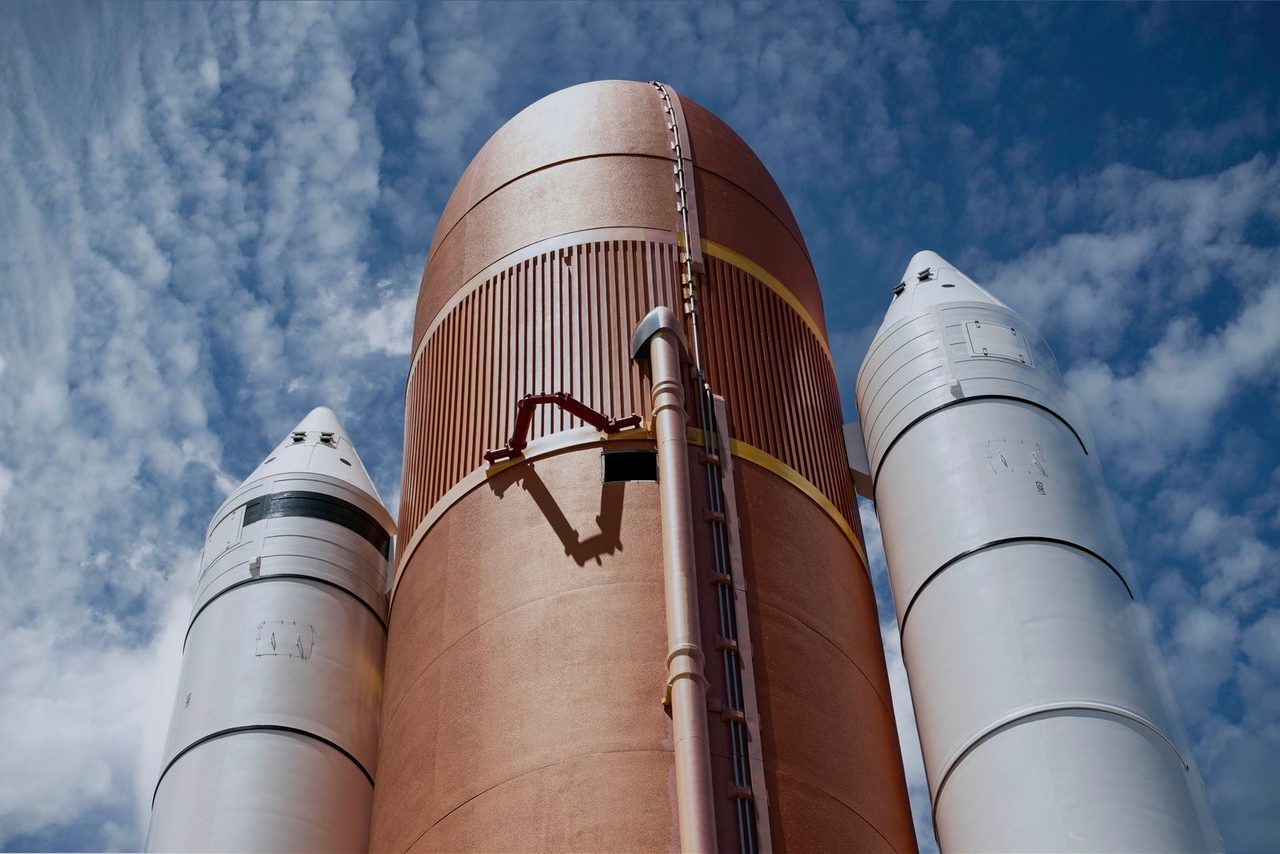
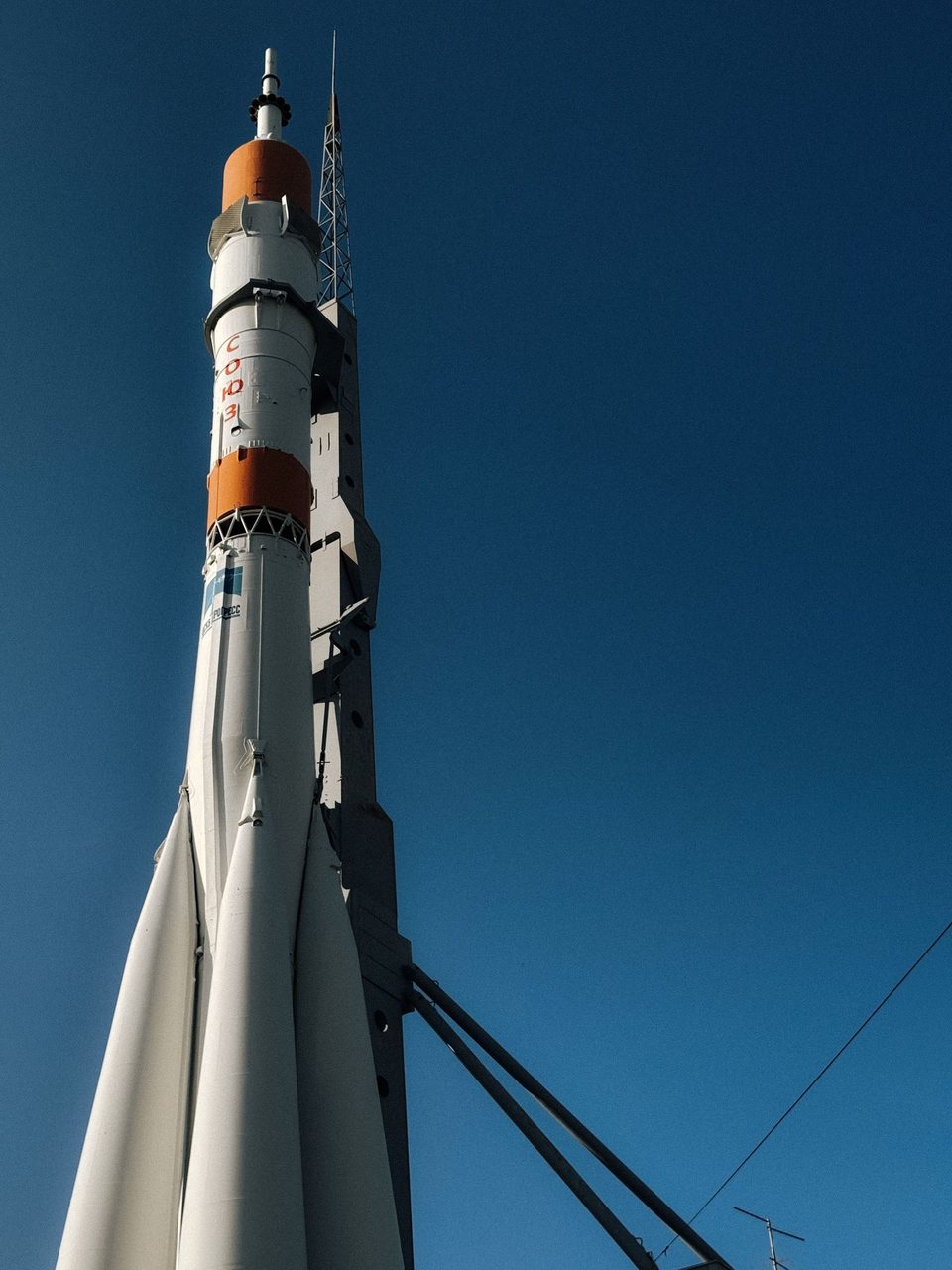
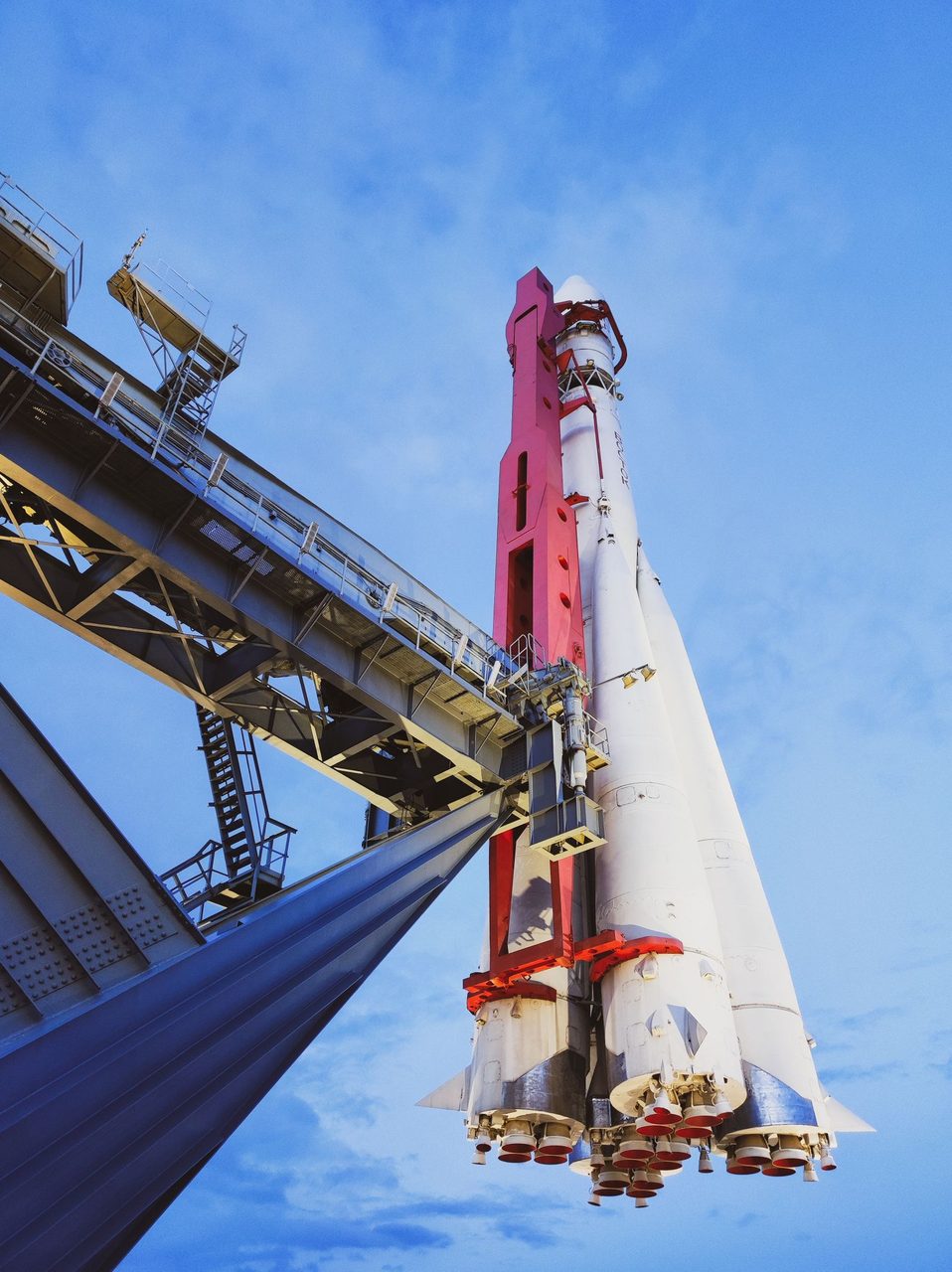
The story is about more than one rocket. The upper stage that will strike the Moon has been drifting silently through space since launching in early 2025, and the event is a vivid reminder that the same commercial launch revolution that has put thousands of satellites into orbit has also cluttered low space with junk that nobody planned to retrieve.
For planetary scientists, the impact is a windfall. A high-velocity impact by a known object is a rare chance to study a controlled hypervelocity event on a body we already understand well. The ejecta plume will be observed from Earth, and the new crater will be a benchmark for future mission planning.
For regulators, the question is what comes next. With the commercial launch industry accelerating, the issue of deorbiting upper stages is one that will only get more urgent. Expect more discussion of mandatory end-of-life disposal and, eventually, the kind of design-for-demise practices that make this kind of collision avoidable.